
For many Australians, gambling is just a way to have a bit of fun, whether you are into sports betting, playing the poker machines, entering lotteries, or visiting online casinos. But if you win large amounts, you might start wondering about the rules for taxes. Do you actually need to declare gambling winnings on your tax return? This guide explains how the gambling tax for Aussies works without all the technical confusion.
Are Gambling Winnings Taxable in Australia?
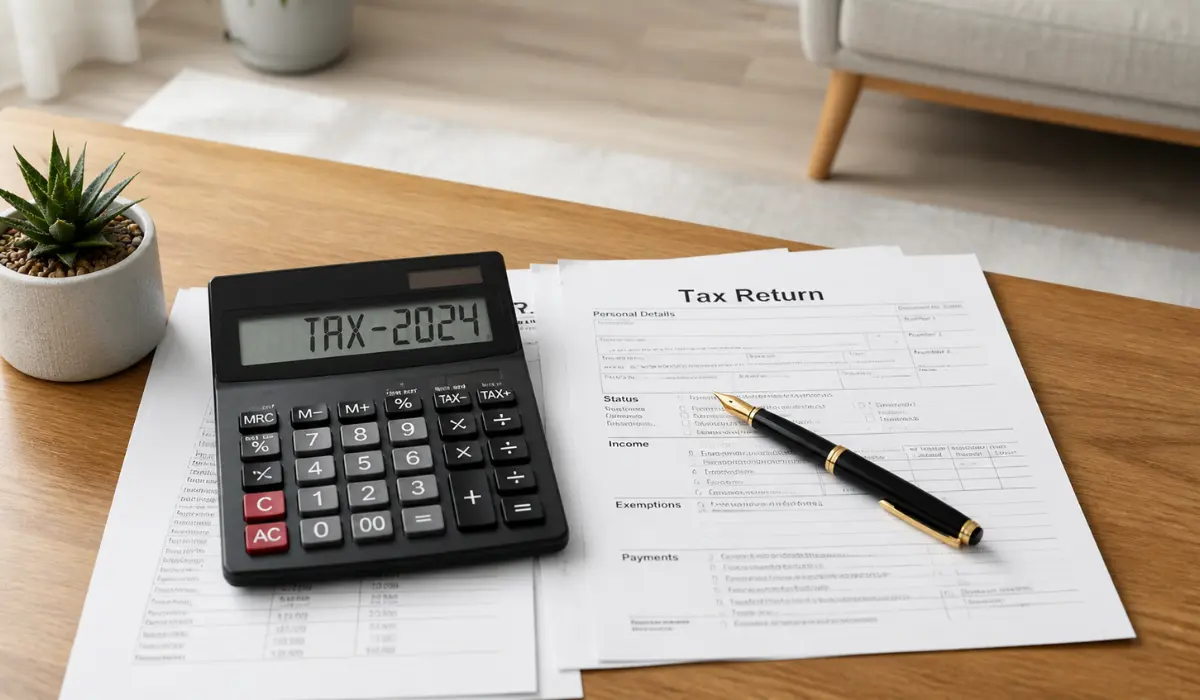
In Australia, gambling winnings are usually tax-free for most people. According to Australian Taxation Office (ATO) rules, money won from lotteries, poker machines, keno, sports betting, or casino games is generally not treated as taxable income. This is because gambling is commonly viewed as an activity based on luck rather than a regular source of earnings.
However, the rules can change if gambling becomes more than casual entertainment. If someone operates like a professional gambler, keeps detailed records, uses organised systems, and relies on betting as a main income source, winnings may be reviewed as assessable income. For everyday Aussies who gamble casually, most winnings do not create a taxable bill.
Professional Gamblers vs Casual Players
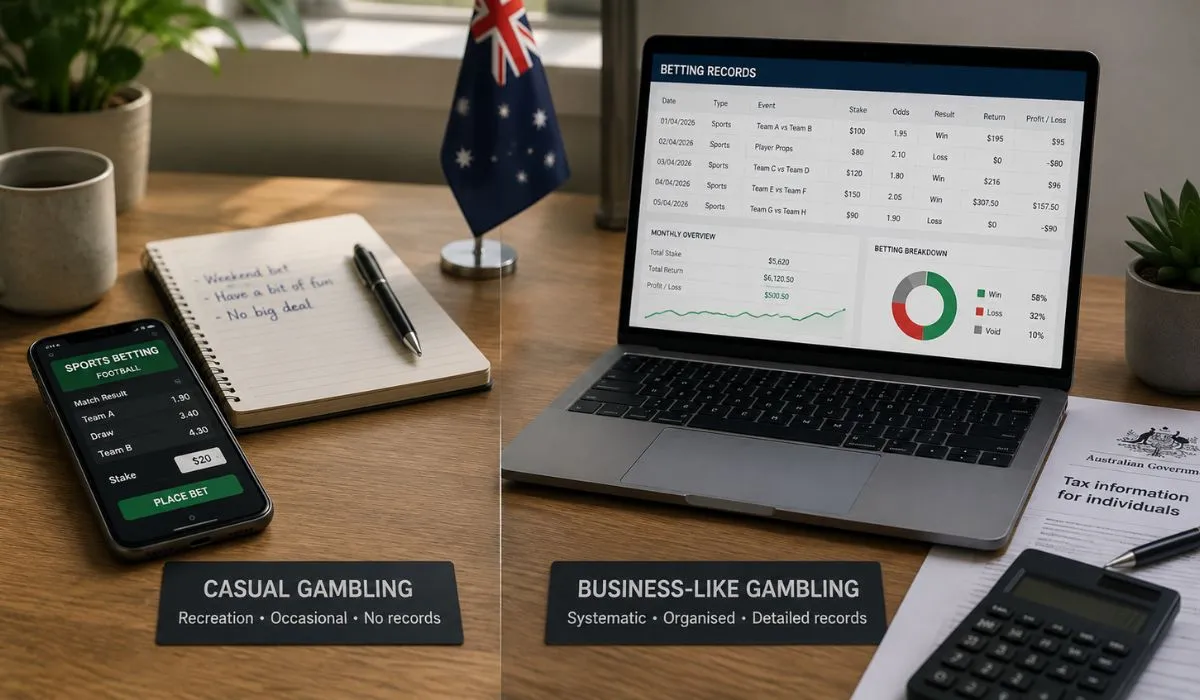
The real gap between a professional gambler and a casual player is simply how betting fits into their daily lives. For most people, it is just a few rounds on the pokies without worrying about whether they win or lose to cover the bills. Professionals, however, treat it like a serious business. They put in the work, spending hours researching odds, managing their cash carefully, and sticking to strategies to turn a steady profit. In Australia, this distinction is a big deal for taxes. While regular players usually keep their winnings tax-free, the ATO starts paying much closer attention once gambling looks like a professional career.
Tax on Sports Betting and Pokies
Tax on sports betting or poker machines usually depends on where you live and whether you are playing casually or as a regular source of income. In many places, casual players do not pay direct tax on winnings from occasional bets or pokies sessions. These wins are often treated as luck-based gains rather than earned income.
However, the rules can change if betting becomes a business-like activity. If someone bets frequently, uses systems, relies on winnings from gambling, and keeps detailed records, then they should pay taxes. In such cases, profits could be assessed under income rules depending on local laws.
Pokies venues and betting operators often pay taxes, fees, or duties themselves, and this is the one reason games are structured with house advantages. This cost is usually built into the business models rather than charged directly to players. Since tax rules vary by region, it is always wise to check the rules before assuming that winnings are totally tax-free.
Do You Need to Declare Gambling Income?
Most people in Australia don’t need to tell the tax office about their gambling winnings. For the average person, a big win is seen as just luck and nothing to be taxed. This only becomes a bit tricky if you are a professional gambler. Which means if you treat gambling as a source of income, if you have a system and proper records of your gambling activity, then you should pay tax.
What Gambling Records Should You Keep for the ATO?
Keeping records of gambling activity can be helpful, especially if there are questions about income, losses, or large money movements. In Australia, the ATO may expect clear records if betting is connected to business activity or if gambling transactions need to be explained during a review. Good records also help track spending and manage finances.
Useful records include dates of bets or gaming sessions along with amounts spent, winnings received, account statements, and bank transfers. If using online betting sites, saving transaction history and withdrawal details is a smart move. Notes about where and how the gambling took place can also be useful. In the case of casual players, the process of reporting is not that complex. Even so, it is good and wise to keep a record of everything, like big wins and deposits. If you are not certain of whether to report to ATO, then speak with a registered tax adviser, and this will help.
Can You Claim Gambling Losses as a Tax Deduction?
Gambling losses and tax deductions are handled differently depending on how a person gambles. For most people who place the occasional sports bet or play pokies for entertainment, losses are usually seen as personal spending. Because of that, they normally cannot be claimed as a tax deduction.
The rules may change if gambling is run in a serious and organised way, similar to a business. If winning is being treated as taxable income, some losses may be relevant when working out the final tax position. It is important to keep records such as account statements, betting history, deposits, and withdrawals. If there is any doubt, check official ATO guidance or consult a registered tax adviser.
Online Gambling and Offshore Casinos
Online gambling has made it easier for people to place bets and play casino games from home or any place of their choice. Along with local platforms, many players also choose offshore casinos. These are gambling sites based in other countries that accept users from different regions.
One reason people choose offshore casinos is the wide range of games, payment methods, and larger bonus offers. Some sites also allow faster sign-up and fewer restrictions compared with local operators. This might feel more appealing to players who are looking for more options.
At the same time, offshore casinos carry extra risk. Rules may be different, and the customer support system can be riskier to reach at times, and it might feel more difficult to resolve disputes. Some sites are trustworthy with a valid licence and set of rules.
However, before joining any offshore casino, players should check licensing details, read reviews, and understand the terms. Taking a little time to research will help avoid problems and make online gambling safer.
GST and Gambling Operators in Australia
GST and gambling operators in Australia mainly apply at the business level rather than directly to casual players. Licensed betting companies, casinos, and gaming venues may need to account for GST on parts of their services, depending on how the transaction is treated under tax rules. The way GST is worked out can differ between betting products, gaming activities, and related fees. For most players, GST is not charged separately on a bet slip or pokies play in the same way it appears on normal shopping receipts. Operators usually handle these obligations within their business reporting and pricing structures.
Common Gambling Tax Myths in Australia
Many people think that every gambling win is automatically taxed, but that is not always true. In many places, casual players who bet for fun do not pay tax on occasional winnings. Another common misunderstanding is that gambling losses can always be claimed back at tax time. For most casual players, losses are usually treated as personal spending.
Some also think using online or offshore sites means winnings are hidden from tax rules. That can be risky. Laws still apply based on where a person lives and how they gamble. Checking the actual rules is better than relying on guesses.
Tips to Stay Compliant with Tax Laws
Staying compliant with tax laws starts with keeping clear and honest records. If you gamble regularly, save account statements, deposit history, withdrawals, and any major wins. Having proper records makes it easier to answer questions later and understand your own money flow.
Another thing is to know the rules in your country or state, as tax treatment can vary from place to place. The rules that may apply in one region may not apply in another. If gambling becomes frequent or starts bringing in regular income, take it more seriously from a tax point of view.
Use separate accounts where possible to make transactions easier to track. Keep copies of emails and payment confirmations from betting sites. Lastly, if you are unsure about anything, speak with a qualified tax adviser or take government guidance. Always remember that getting advice early can prevent mistakes, penalties, and unwanted risks.
Final Thoughts on Gambling Tax in Australia
Gambling taxes in Australia can seem confusing at first. But the basic idea is simple for most people. Casual players usually do not pay tax on winnings. However, gambling profits may be taxable where the activities amount to carrying on a gambling business. Keeping clear records and understanding the rules can make things easier. It is also advised to check with a legal tax adviser and take government guidance if you are unsure about your situation. That being said, if you need support regarding the gambling behaviour or have any concerns, you can contact Gambling Help Online at 1800 858 858 for free.
FAQs
Are gambling losses tax-deductible?
Do I need to keep records?
Should I check with a tax adviser?
Is GST charged on bets?
When should a player pay tax?