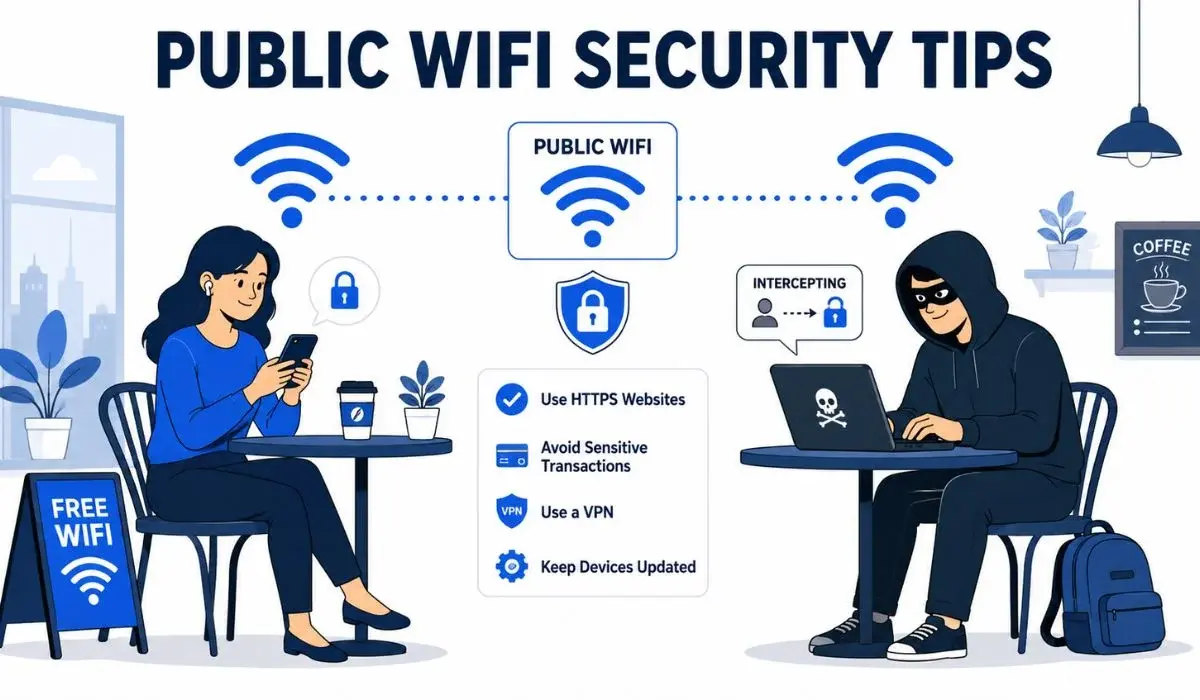

This convenience in networking has become a core target for cybercriminals. Public Wi-Fi is typically encrypted and shared, making it easy for hackers to intercept the data transmitted between a user’s device and the internet, putting highly sensitive information at direct risk.
Cybercriminals use tactics like MITM (Man-in-the-Middle) attacks, packet sniffing, and fake honeypot Wi-Fi networks to steal gambling-related information like casino bankrolls, crypto wallets, passwords, and payment details. Do not panic; this comprehensive guide will aid you in protecting your personal and financial data while using public Wi-Fi hotspots for gambling.
Why Public Wi-Fi Is Dangerous for Casino Players
Public Wi-Fi networks are a significant security threat for casino and betting players, as they are often open and unencrypted, meaning that data sent between your device and the internet is transmitted in plain text. This lack of security is a core target for cybercriminals on the same network to easily intercept the traffic using common techniques.
Hackers can readily access the data available in the software to sniff or capture the data, allowing them to read unencrypted information like login credentials, messages, and financial details as you enter them. Rogue access points or evil twins are another key threat; cybercriminals can set up fake Wi-Fi networks by mimicking the names of the legitimate ones, and when you connect, they will access all your data directly through their device, giving them complete access.
In short, the information stored in betting accounts is a goldmine for hackers. They will be able to access payment details like credit cards, bank account numbers, identity documents submitted for KYC verification, crypto wallet access, or linked accounts and store balances for real money or cryptocurrency. By intercepting this data through packet sniffing or a rogue access point, attackers can commit data breaches, identity theft, and phishing scams.
Common Public Wi-Fi Threats
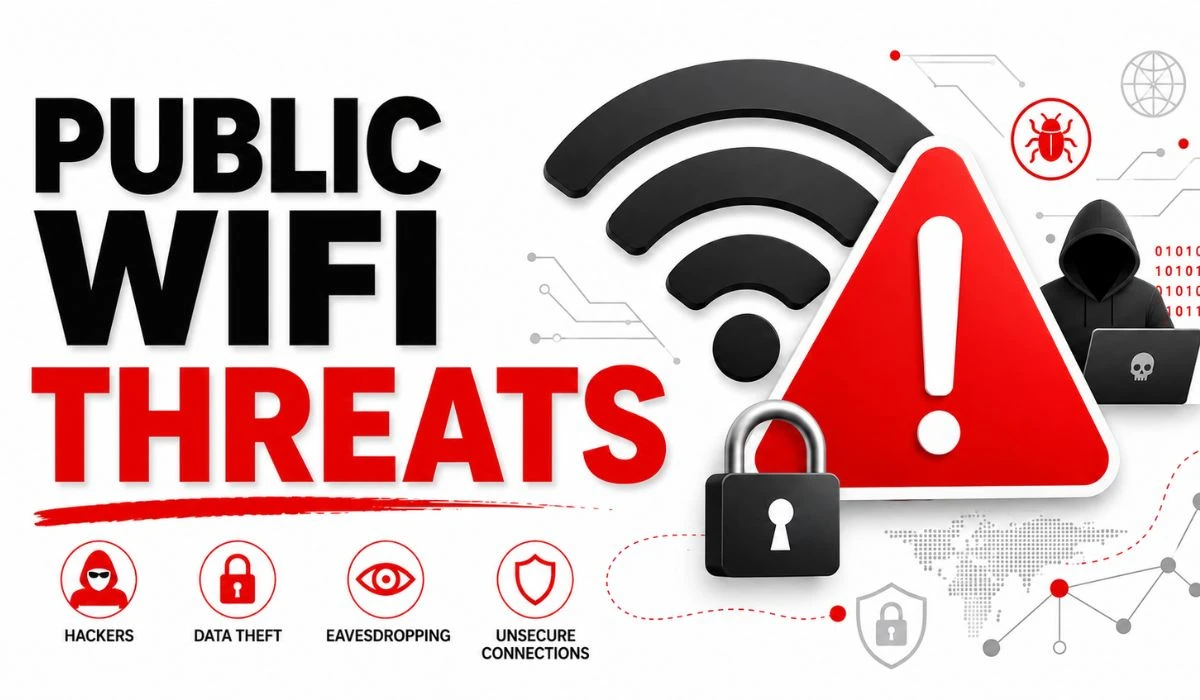
Understanding the common threats of using public networks will help you stay cautious and engage in secure online gambling. Let’s examine what are the common ways hackers try to attack users.
Fake Wi-Fi Hotspots and Honeypot Networks
Creating fake Wi-Fi hotspots is also known as honeypot networks or evil twins. Here, hackers will create malicious access points to mimic legitimate public Wi-Fi. These rogue access points are exclusively designed to deceive users into connecting, giving the attacker complete control over the victim’s internet traffic. You can commonly find public Wi-Fi attackers in high-traffic areas such as airports and cafes, where users expect free internet and may quickly connect without verifying the authenticity of the network.
Once a user connects to a honeypot network, the attacker can easily intercept all the encrypted data and redirect users to fake phishing websites. The attacker will inject malware onto the victim’s device through a fake update prompt and capture sensitive information in real-time.
MITM (Man-in-the-Middle) Attacks
An MITM attack occurs when an attacker sneaks in secretly between you and the online gambling platform. Here, the attacker will intercept all communication, enabling them to access all messages and steal or even alter the data that is being exchanged without either party realising.
Encryption is the core defence against such attacks. HTTPS, or Hypertext Transfer Protocol Secure, uses the encryption protocol like TLS to secure the connection between the browser and the website. When a site uses HTTPS, your data will be scrambled, which makes it unbreakable for anyone trying to intercept it. However, attackers can bypass the protection by stripping SSL or spoofing HTTPS, and if they do so, your entire session, including the login forms and financial transactions, will be visible to the attacker, making it vulnerable to theft.
Malware Injection and Phishing Scams
Public Wi-Fi networks are a common vector for public hotspot risks like malware injection and phishing scams, eventually leading to the complete compromise of a casino player’s device and accounts. To execute these attacks, hackers use several methods, such as fake login pages, redirects, download prompts and malvertising.
The key defence against these threats is anti-malware software, which can detect and block malicious downloads and websites. But the most effective way for protecting betting accounts is strict user vigilance, like avoiding entering login details after a redirect. You can also use a VPN for betting as it aids in IP masking, making it harder for attackers to track your identity.
How Casino Players Can Stay Safe on Public Wi-Fi
Here are a few points to ponder to outsmart hackers and ensure casino cybersecurity:
- Using a reputable VPN for betting will encrypt all your internet traffic by creating a secure tunnel. This can prevent hackers from intercepting your data on unsecured networks.
- Enabling two-factor authentication (2FA) for online betting and sportsbook accounts will add a critical second layer of security to your account.
- Avoid logging in to your betting apps, banking or payment accounts while being connected to public Wi-Fi.
- Turning off automatic Wi-Fi connections will prevent it from joining insecure and unregulated networks without your knowledge.
- Always verify the network names with the legitimate names.
- Be cautious of login pages that appear after connecting to public Wi-Fi networks.
- Ensure the accuracy of the URL and use HTTPS to avoid phishing scams.
- Regularly update betting apps as they might include vital security patches that fix vulnerabilities.
- Be cautious while downloading betting apps; ensure that you are using an official gambling app.
- Always remember to manually log out of your gambling accounts after completing the sessions.
Choosing Trustworthy Gambling Platforms
Selecting a secure and reliable online gambling platform is critical for protecting your personal and financial data. Let’s see what the key indicators of online casino safety or trustworthiness are:
- A licensed operator from reputable authorities like the UK Gambling Commission (UKGC) or the Malta Gaming Authority (MGA) is crucial, as they enforce strict standards for fairness, financial stability and player protection.
- Look for GDPR compliance, as it ensures all the personal information is collected, stored and processed lawfully and securely.
- Review security features like KYC verification and strong encryption as they conduct regular security audits and vulnerability testing.
Note: You must avoid platforms that operate without a crisp and clear verifiable license from reputed regulators, as this is the most fundamental sign of a trustworthy operator.
Public Wi-Fi and Crypto Casinos
Crypto casinos pose a critical risk on public Wi-Fi due to the irreversible nature of the crypto transactions. Imagine a scenario where a hacker intercepts your login credentials, accesses your wallet, and instantly drains your entire bankroll. Because crypto transactions are irreversible, these funds cannot be recovered or traced. Scary, isn’t it?”
Here is where extra caution becomes essential. Using a VPN with strong encryption while accessing a crypto casino will secure and create an encrypted tunnel, protecting your wallet and transaction details from eavesdroppers on the same public platform.
Conclusion
As said, convenience comes with consequences; casino punters become an attractive target for hackers. But you can engage in safe browsing and responsible gambling by adhering to regulations and reviewing the compliance of operators. Using a VPN or two-factor authentication will provide an extra layer of security to your account and personal details. Although there are several ways a gambler can be a victim of cybercrimes, there are also loopholes to tackle them. If you encounter any gambling abuse or gambling-related cyber harm, report to the National Gambling Helpline: 1800 858 858.
FAQs
What is phishing?
Phishing is a cybercrime where hackers impersonate trusted entities like banks or tech companies to reveal sensitive information.
What are the top 3 big data privacy risks?
Cyber attacks and hacking, lack of transparency in data usage, and non-compliance with privacy laws are among the top 3 data privacy risks researched and found to be common.
Do casinos have cybersecurity?
Yes, the iGaming industry has implemented innovative cybersecurity strategies and resources to prevent and tackle potential cyber assaults.
What is KYC in online gambling?
Know Your Customer (KYC) verifies personal data and determines whether identity documents are legitimate. It helps detect fraudulent practices and scams.
What is a CDD?
CDD (Customer Due Diligence) is a critical process used by banks, financial institutions, and other regulated businesses to verify the identity of their users.